
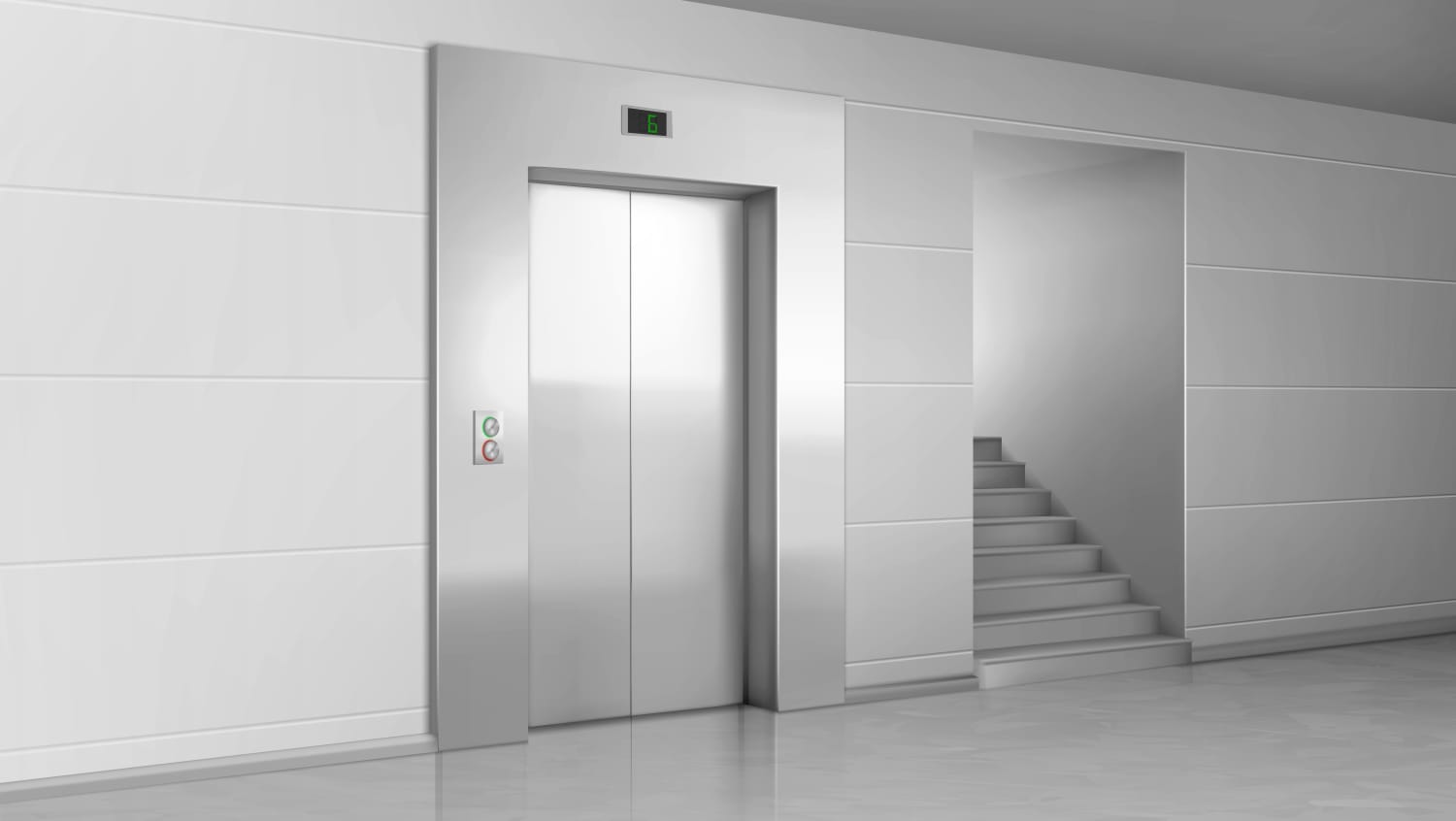
As modern homes evolve with multi-storey designs, installing elevators or lifts has become increasingly common. While these additions improve accessibility and convenience, their placement and design can significantly impact the Vastu energy of your home. At Aaryaastroscience, we emphasize that even seemingly technical installations like lifts must align with Vastu principles to ensure smooth movement of energy and avoid health, wealth, or emotional blockages.
In this article, let’s decode the Vastu rules for lifts and elevators in homes—covering their ideal placement, design tips, and important do’s and don’ts.
Why Lifts Matter in Vastu
In Vastu, every vertical and horizontal shift in space represents an energy transition. A lift isn’t just a mechanical object—it’s a vertical energy channel. If placed incorrectly, it can disrupt vital energy zones (like Brahmasthan) or block the free flow of prana (life force energy).
Just as doors, windows, and staircases must be Vastu-aligned, lifts too should be positioned in harmony with the home’s five elements and directional balance.
Ideal Direction for Home Elevators (As per Vastu)
Best Placement: South-West or South-East Corners
- South-West: Ideal for homes with frequent elderly use. Enhances stability and grounding.
- South-East: Acceptable if South-West is not feasible. Must be built with fire-compliant materials.
Avoid These Directions:
- North-East (Ishan): This is the zone of divine energy and clarity. Placing a lift here can block spiritual growth, invite health issues, and create mental disturbances.
- Brahmasthan (Center of the House): This central space must be open and free. Installing a lift here can block energy circulation and lead to stagnation in life.
Design and Material Considerations
Recommended:
- Use non-reflective, subtle colors on lift doors like beige, grey, or cream.
- Choose noise-free, vibration-free technology to avoid disturbing the home’s vibration.
- Decorate lift walls with positive symbols (like Om, Swastik, or Mandalas).
Avoid:
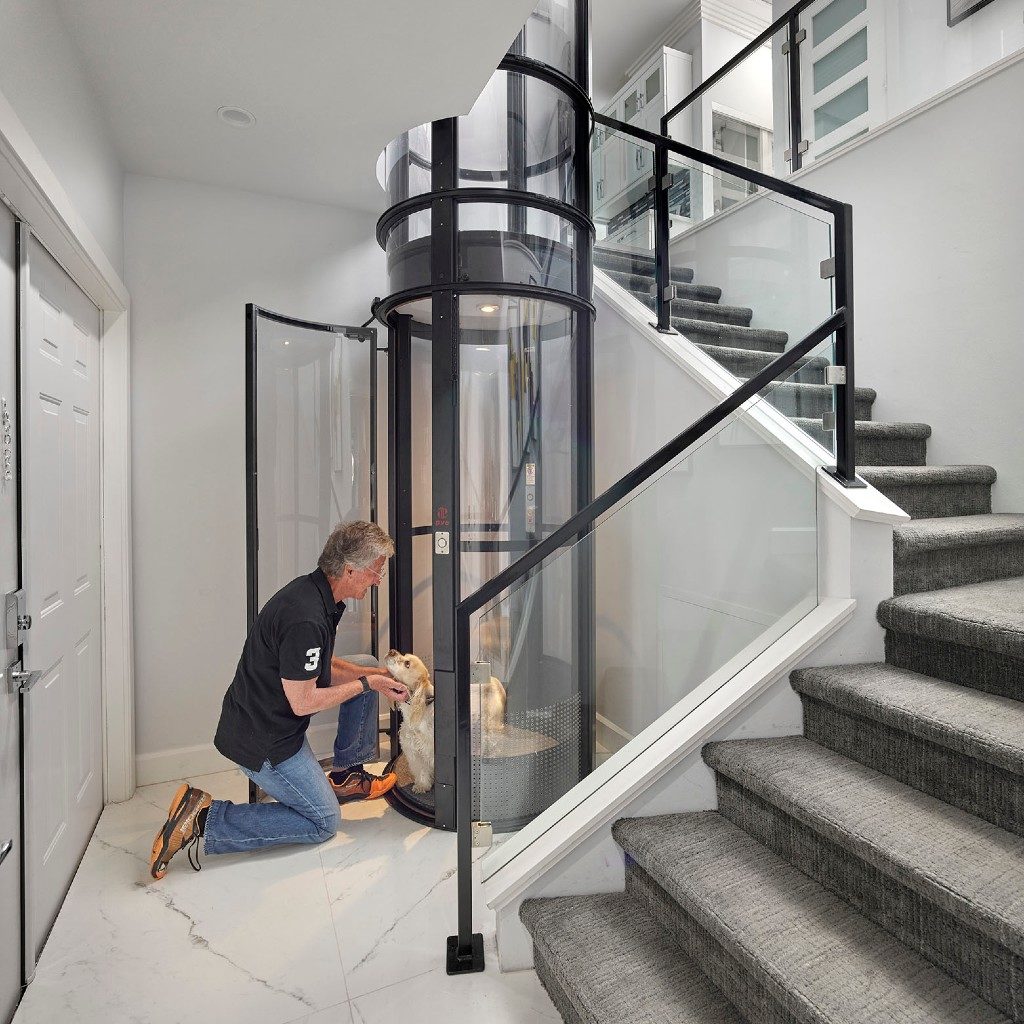
- Glass lifts that expose movement inside (especially in residential settings).
- Mirrors inside lifts—can create illusion and energy distortion.
- Bright red or black-colored doors—these activate unstable energy if not balanced correctly.
Lift Door Facing: What to Watch Out For
- A lift door directly facing the main entrance can lead to loss of wealth or instability. Use plants or partitions to shield it.
- Lift doors should not open directly into the kitchen or puja room. These are sacred energy spaces and must be protected.
Vastu Tips for Installing Lifts in Existing Homes
- Use copper or brass Vastu strips to balance negative effects if lift placement is non-compliant.
- Keep a Himalayan salt bowl near the lift area to absorb excess electromagnetic energy.
- Place a Vastu pyramid or energized crystal grid above the lift ceiling (inside the shaft space) to stabilize energy.
- Consult a Vastu expert at Aaryaastroscience for remedies if relocation isn’t possible.
Final Thoughts from Aaryaastroscience
A home lift isn’t just about comfort—it becomes a key part of your home’s energy architecture. By placing it thoughtfully and decorating it mindfully, you ensure that the convenience it offers doesn’t come at the cost of Vastu imbalance. Direction and design truly matter.
At Aaryaastroscience, we help you navigate the balance between modern living and ancient energy science. Whether it’s a home lift, a staircase, or a temple area, every element has its energetic impact—and our expertise ensures harmony across them all.
WhatsApp: +91 9220166899
Email:aaryaastroscience@gmail.com